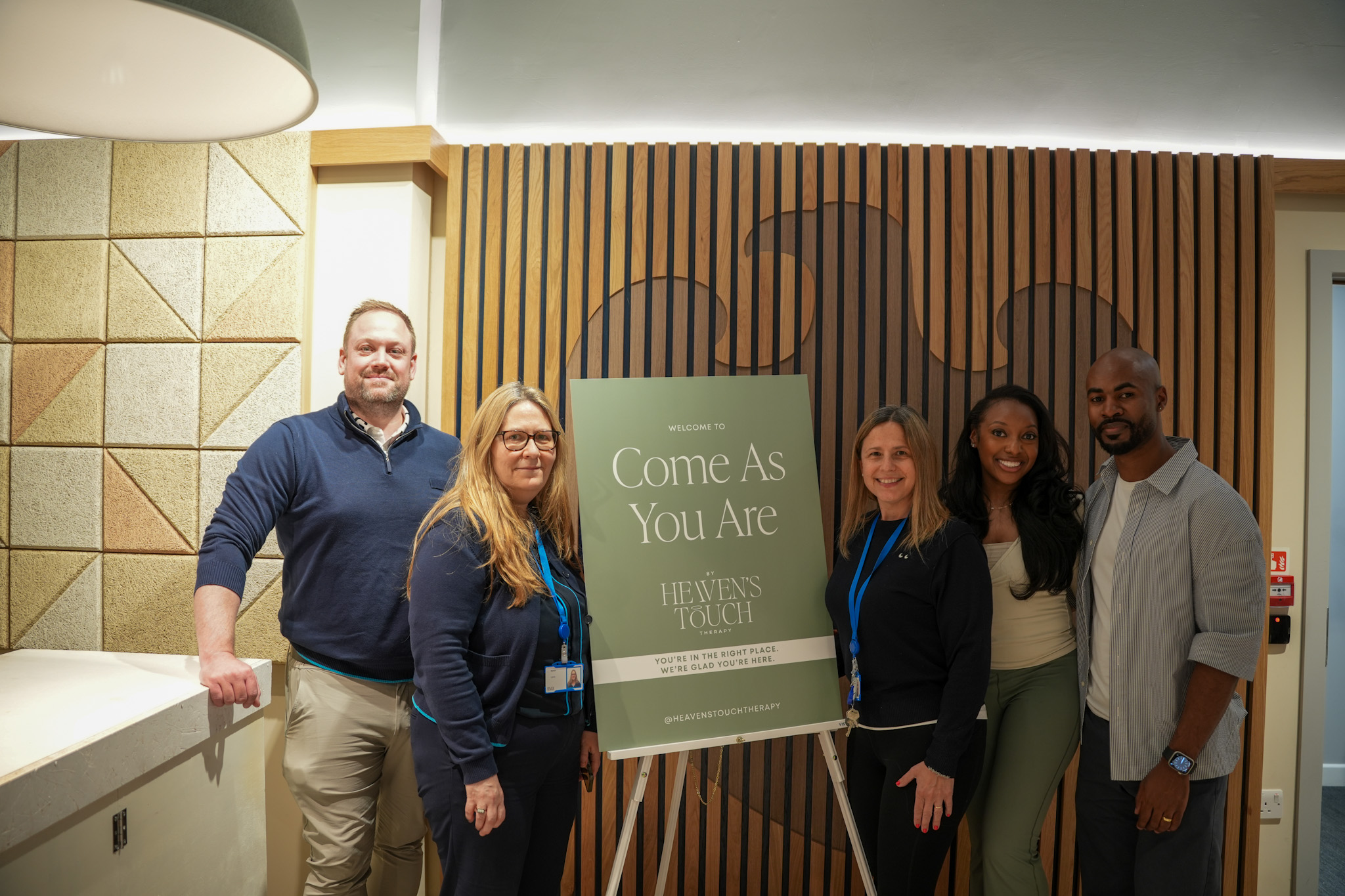
Come As You Are
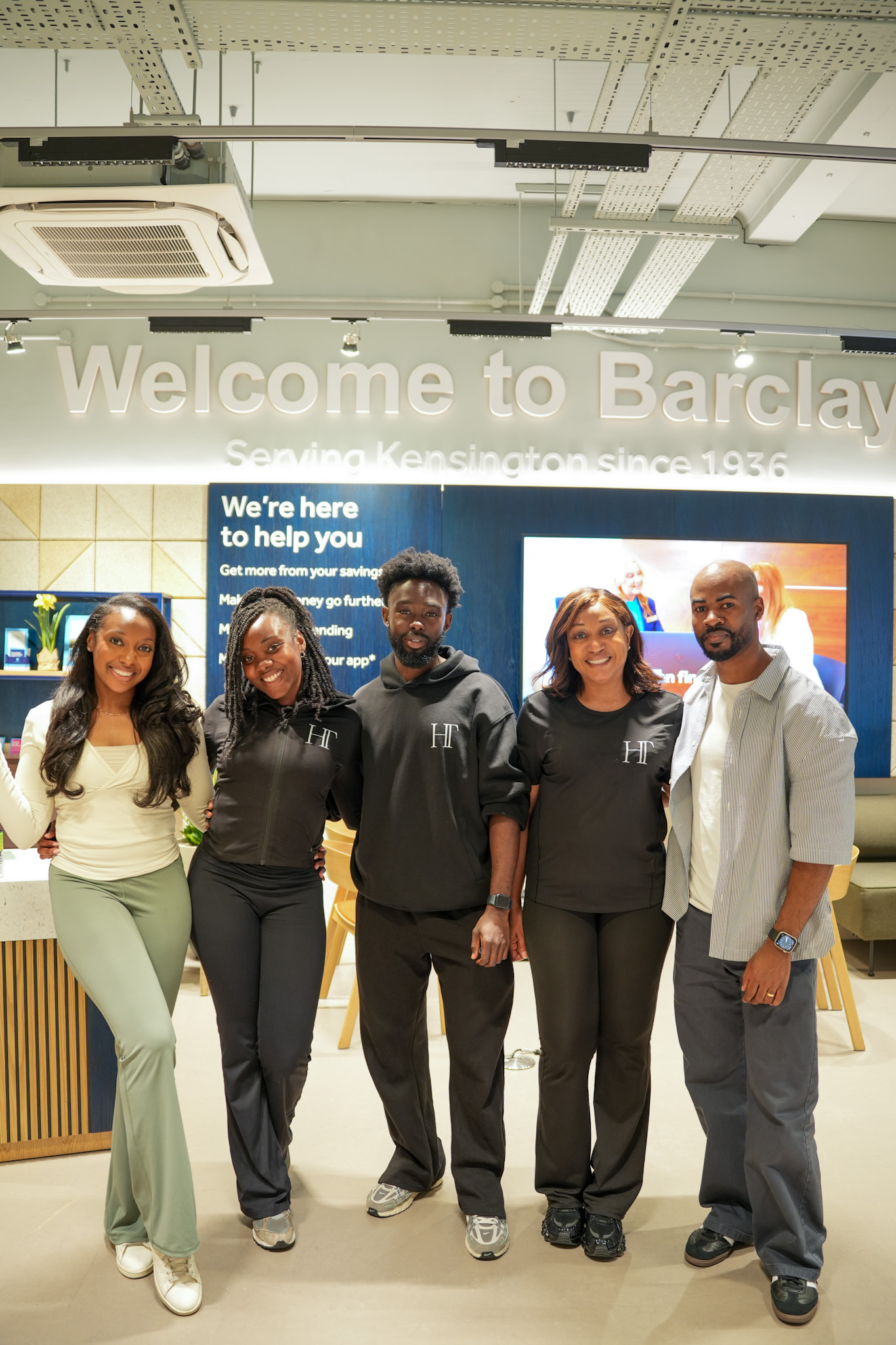
Inside our Barclays Kensington workplace wellbeing event






Supporting healthier, more resilient teams through evidence based movement.
Modern working environments place continuous demands on both physical and mental health. Long periods of sitting, reduced movement, and ongoing work pressures often lead to back, neck and shoulder pain, as well as fatigue and heightened stress levels.
Our corporate wellness programmes use evidence-based movement solutions informed by clinical research and functional principles, to help employees move better, feel better, and stay well at work.
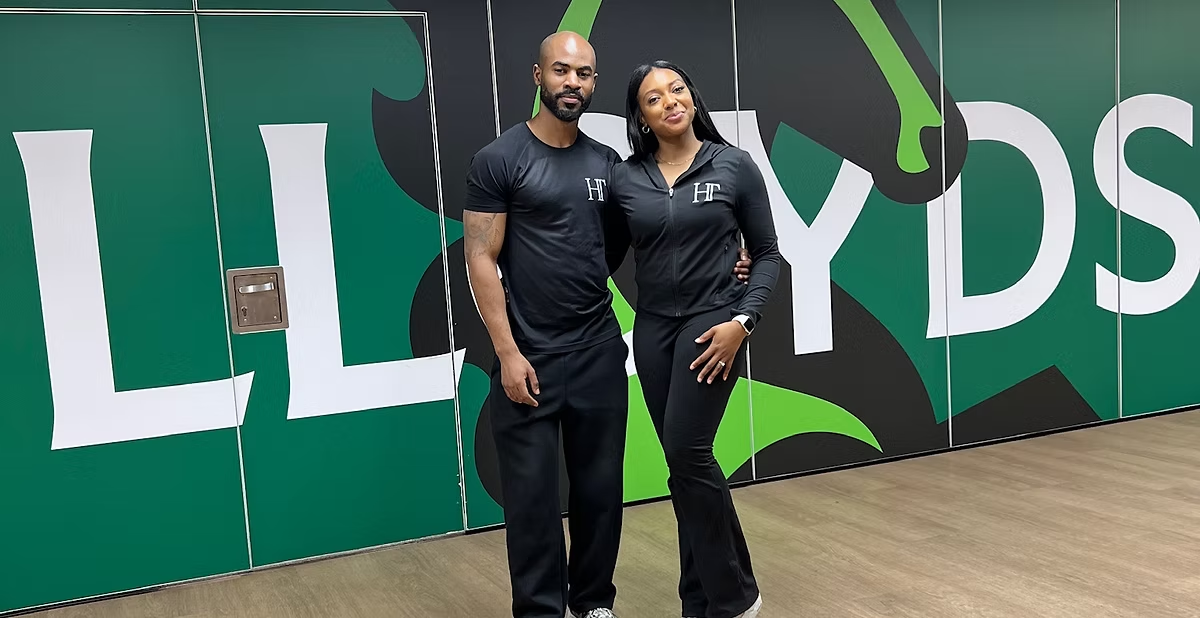
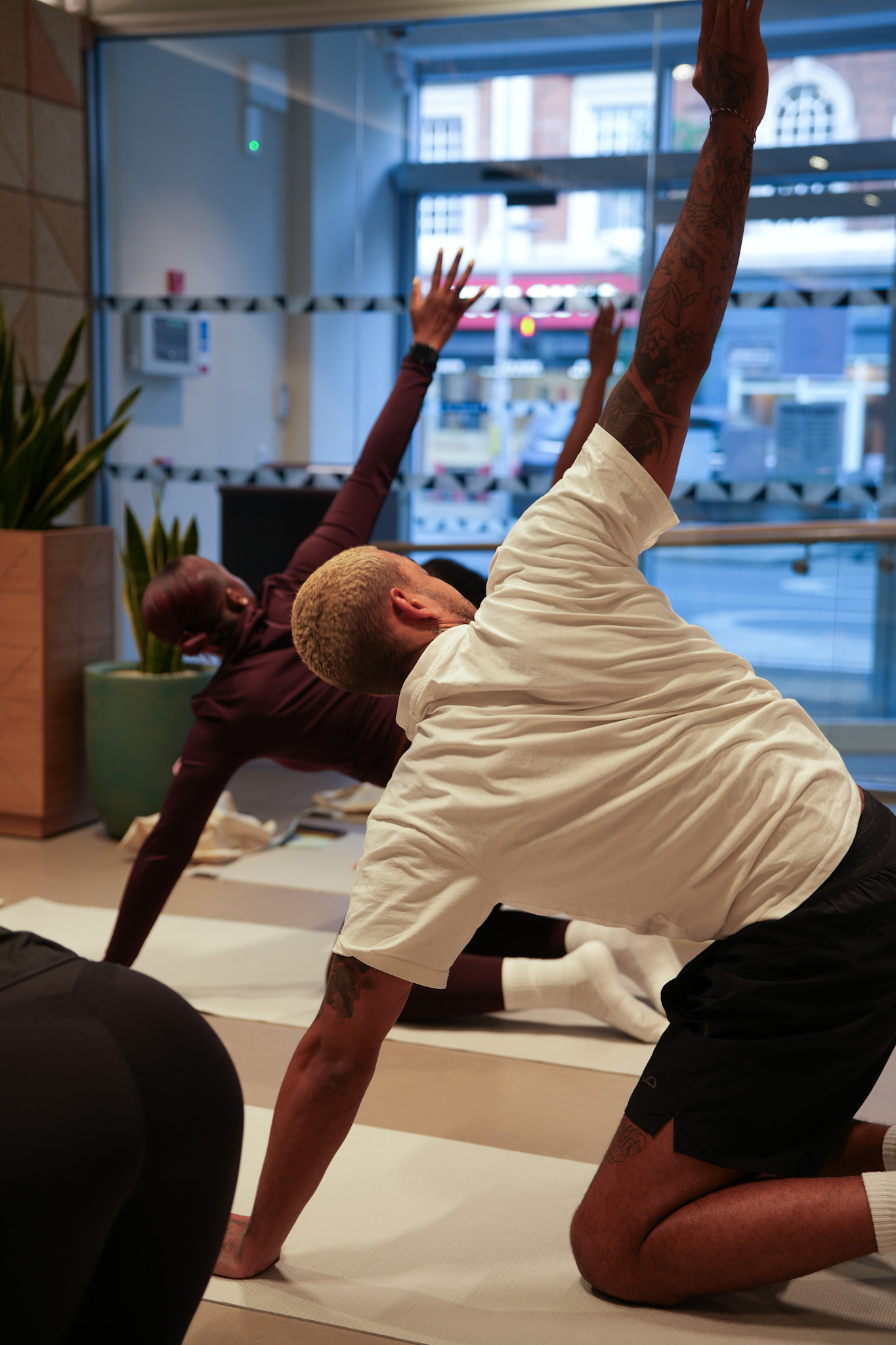
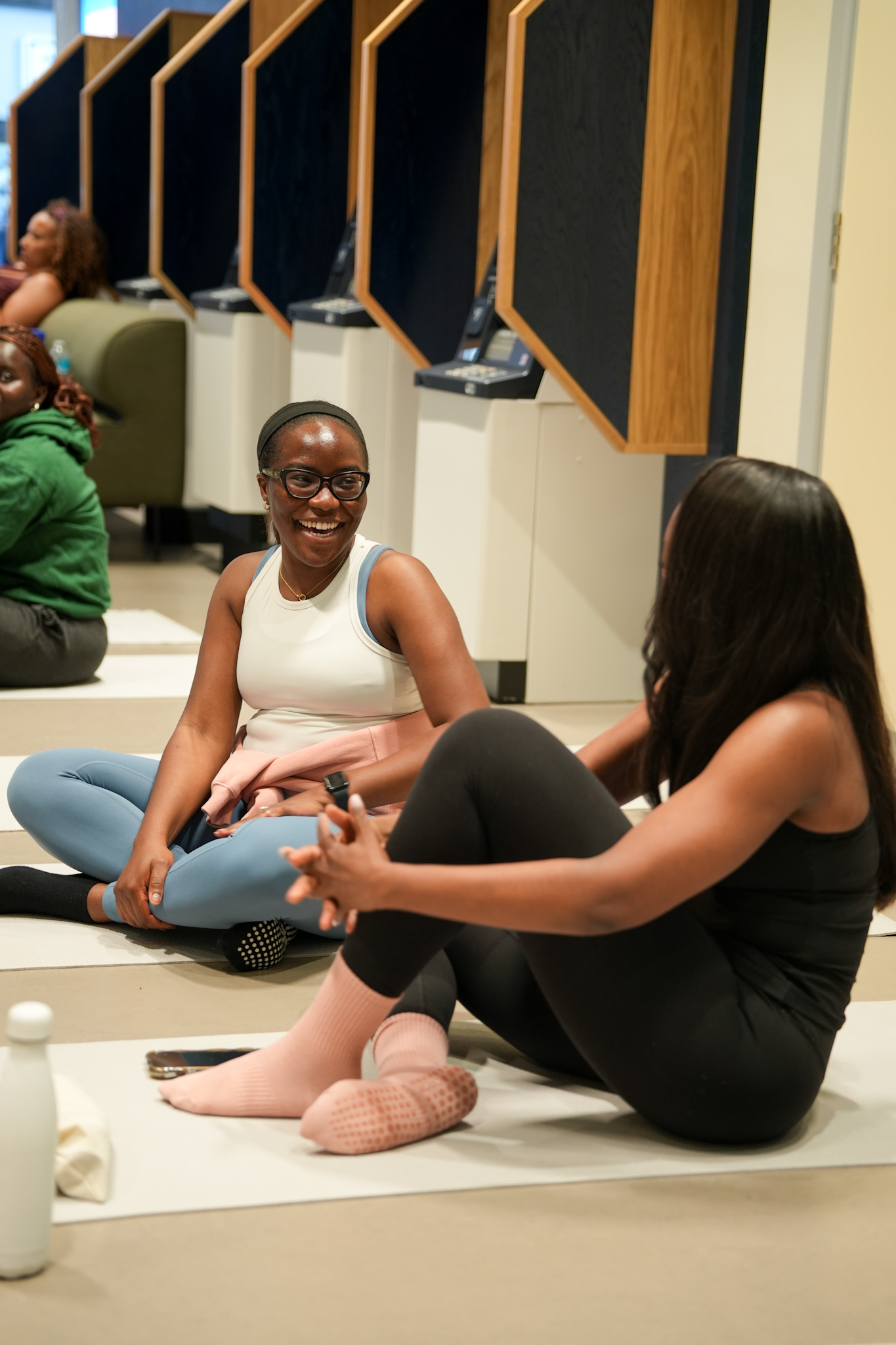
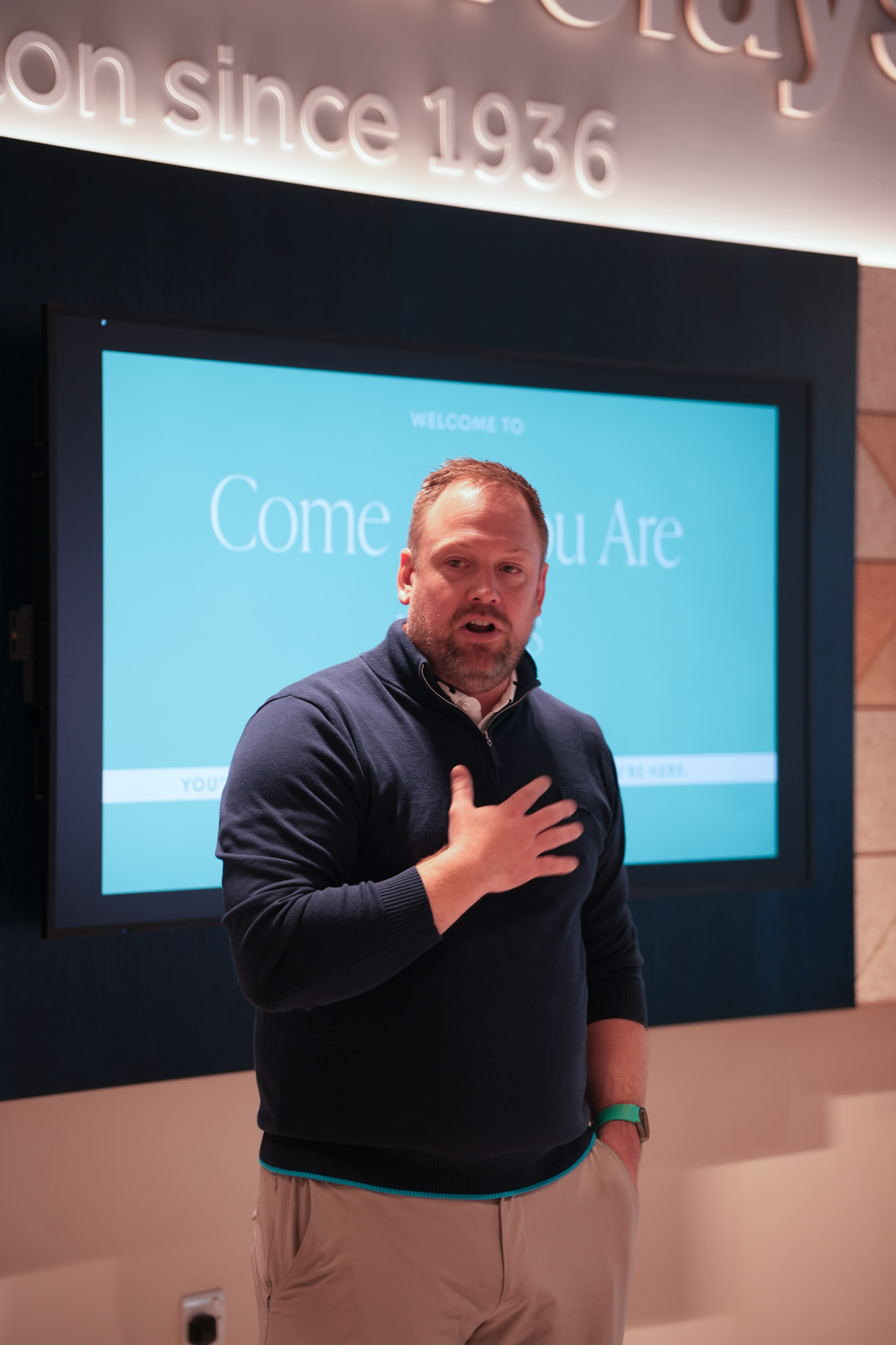
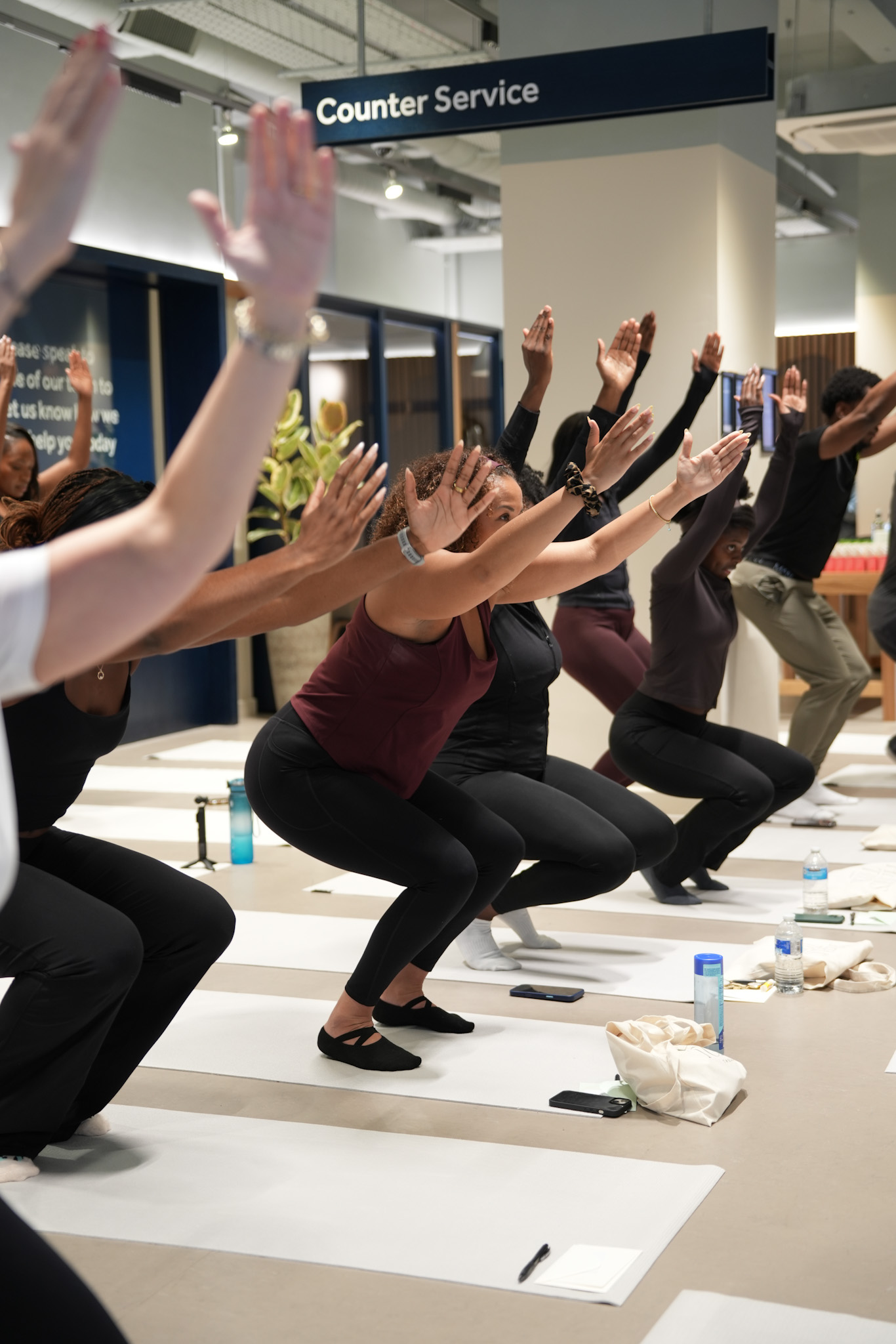
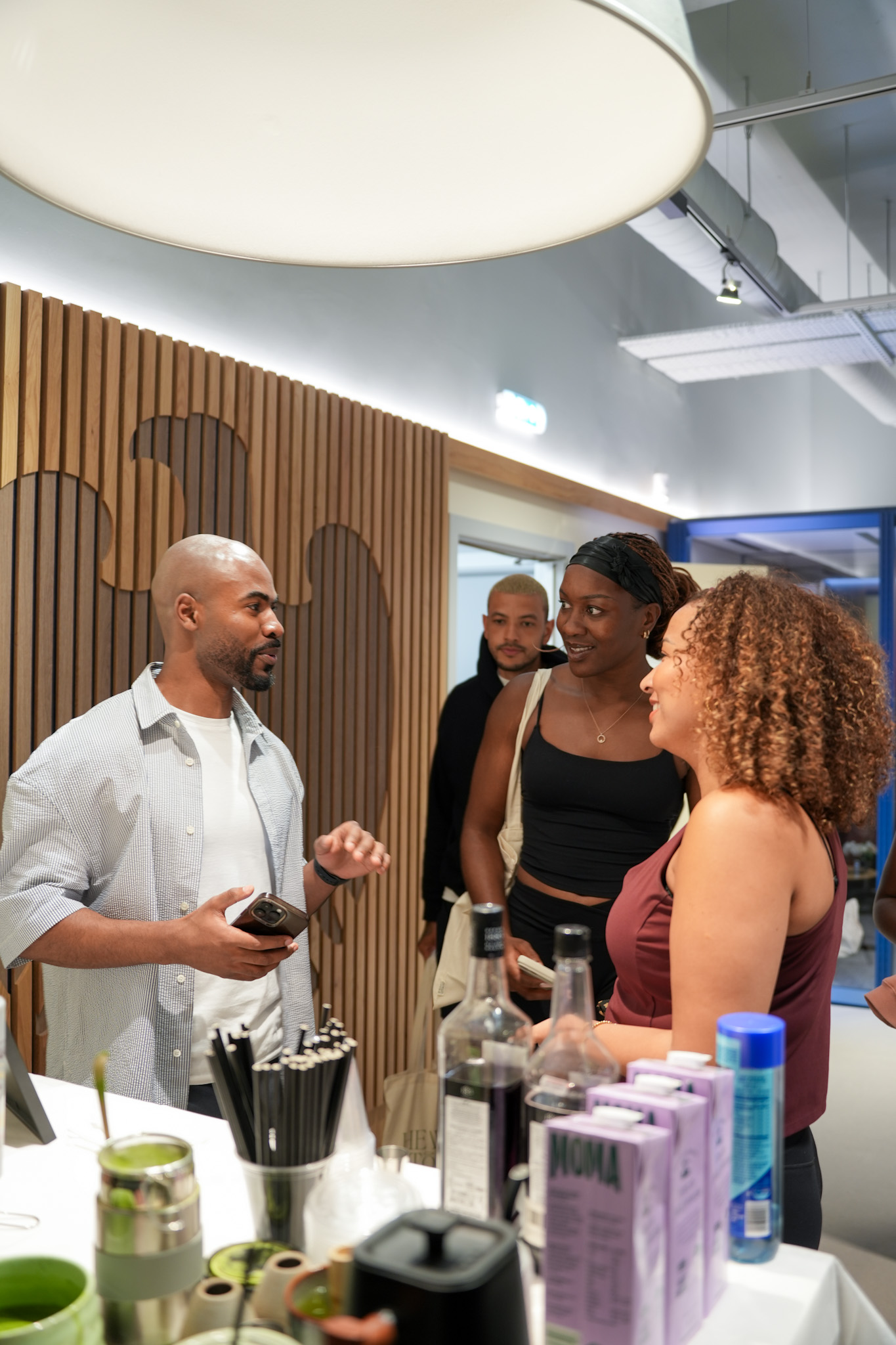
"Today's session was amazing. Heaven's Touch Therapy are in Lloyds for our wellness week. Rianna absolutely smashed the class, we had so many people turn up and it was smiles everywhere. Hopefully I can get Heaven's Touch Therapy back down again."
Due to work-related musculoskeletal disorders in 2024/25. This equates to an average of 14 days lost per case.
Suffering from a work-related illness, of which:
Musculoskeletal disorders accounted for 27% of all work-related ill health cases in 2024/25.
Typically targets larger mobiliser muscles, and cardiovascular fitness, supporting overall strength, bone health, energy levels, and stress reduction. Fitness classes also promote mental resilience and can enhance team camaraderie when delivered in group formats.
A low impact movement approach that focuses on the stabiliser muscles, the deeper postural muscles that support the spine, hips, neck and shoulders. These are the muscles that often become weak in desk-based workers, from prolonged sitting and poor movement patterns. Strengthening these stabilisers is key for preventing and reducing common workplace complaints such as lower back pain, neck tension, and poor postural endurance.
Because the gym and Pilates target different systems, they work hand-in-hand. The gym alone doesn't usually address the stabiliser weakness that leads to recurrent tightness or injuries, so Pilates fills that gap perfectly. Together, they create a more complete wellbeing offering.
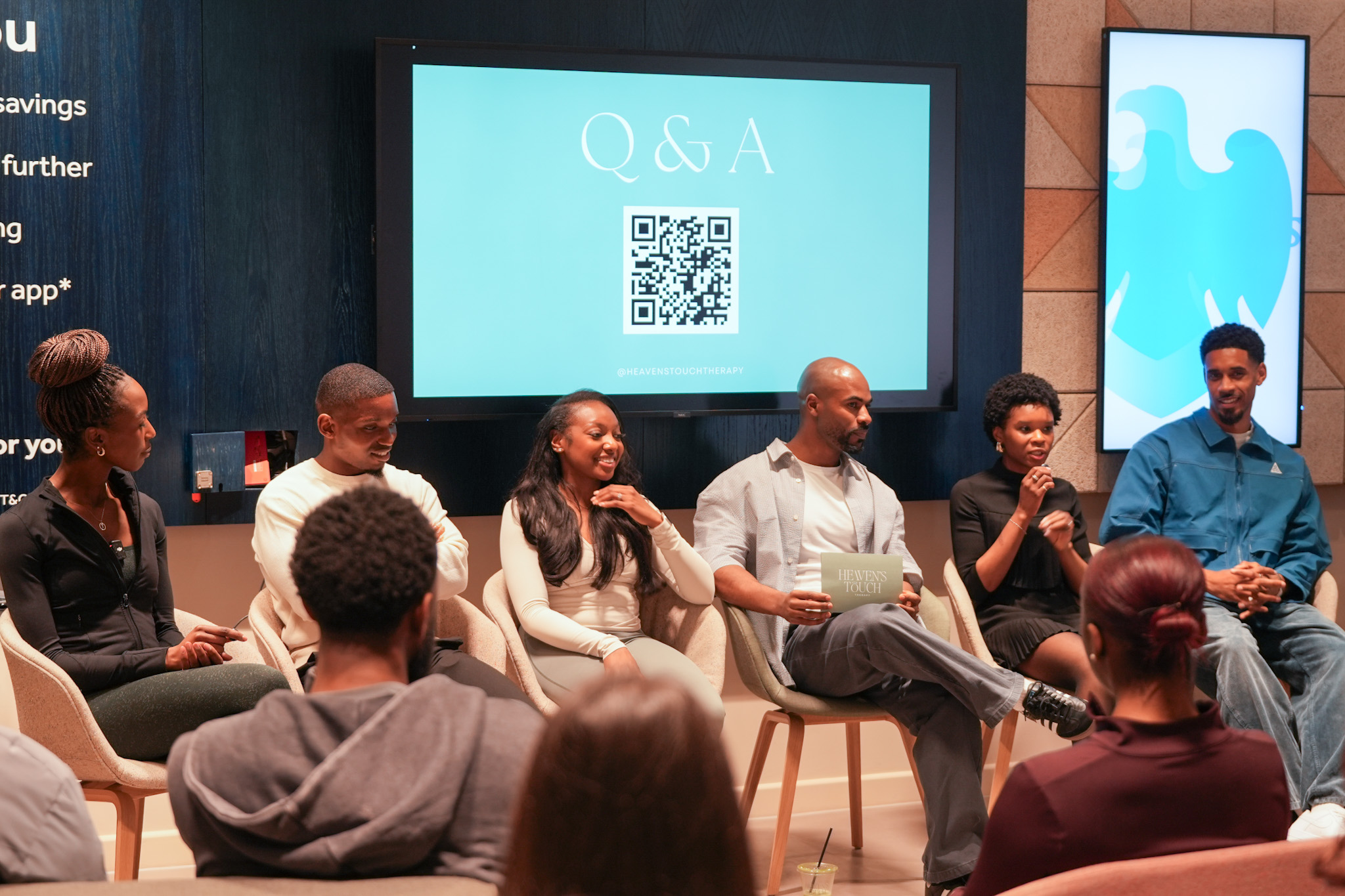
Our corporate talks and workshops translate evidence-based health principles into practical, workplace-relevant strategies. Topics may include posture and desk health, injury prevention, movement habits, stress management, and lifestyle foundations such as sleep, activity, and nutrition. These sessions are designed to empower employees with simple, actionable changes that support long-term wellbeing without overwhelm.
Regular physical activity, even in modest amounts, is strongly associated with lower mortality risk and better long-term health outcomes. Stamatakis et al. found combined small changes in sleep, physical activity and nutrition were linked with reduced mortality risk (BMC Medicine, 2025).